
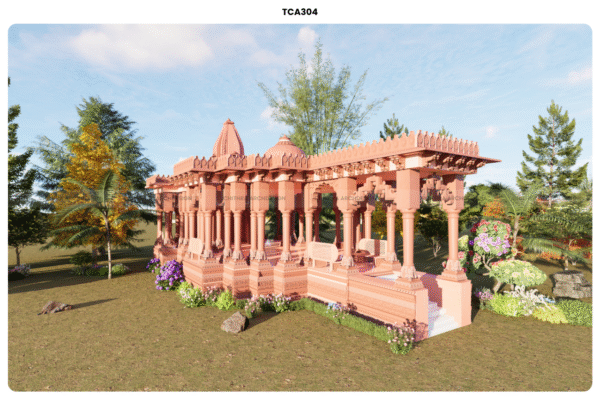
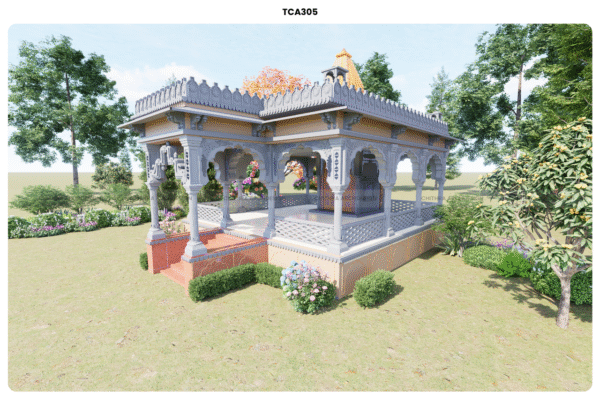
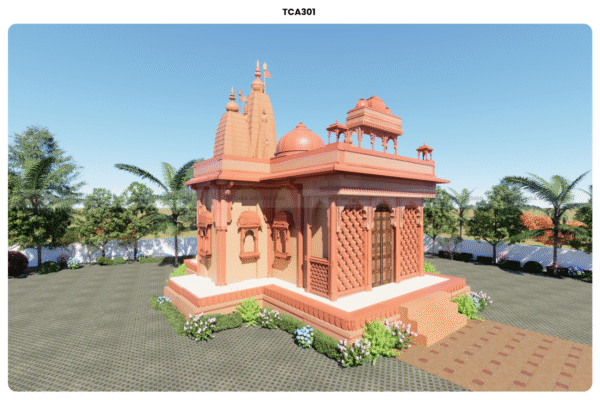
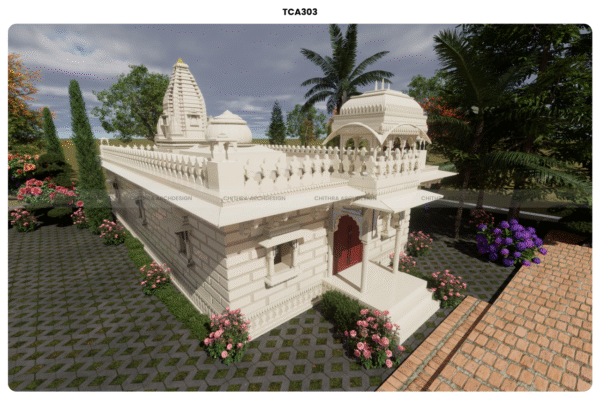
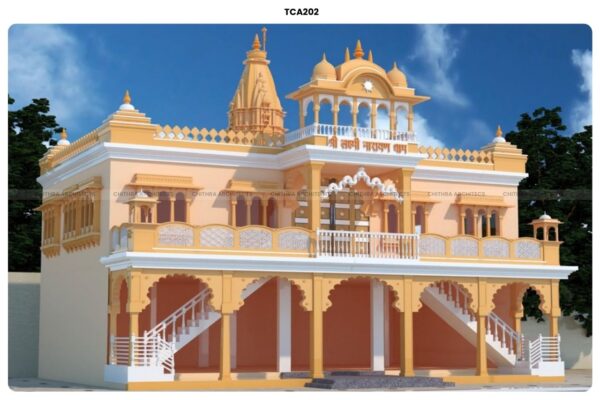
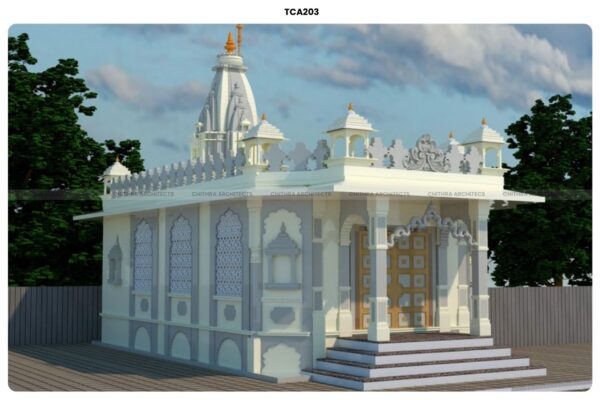
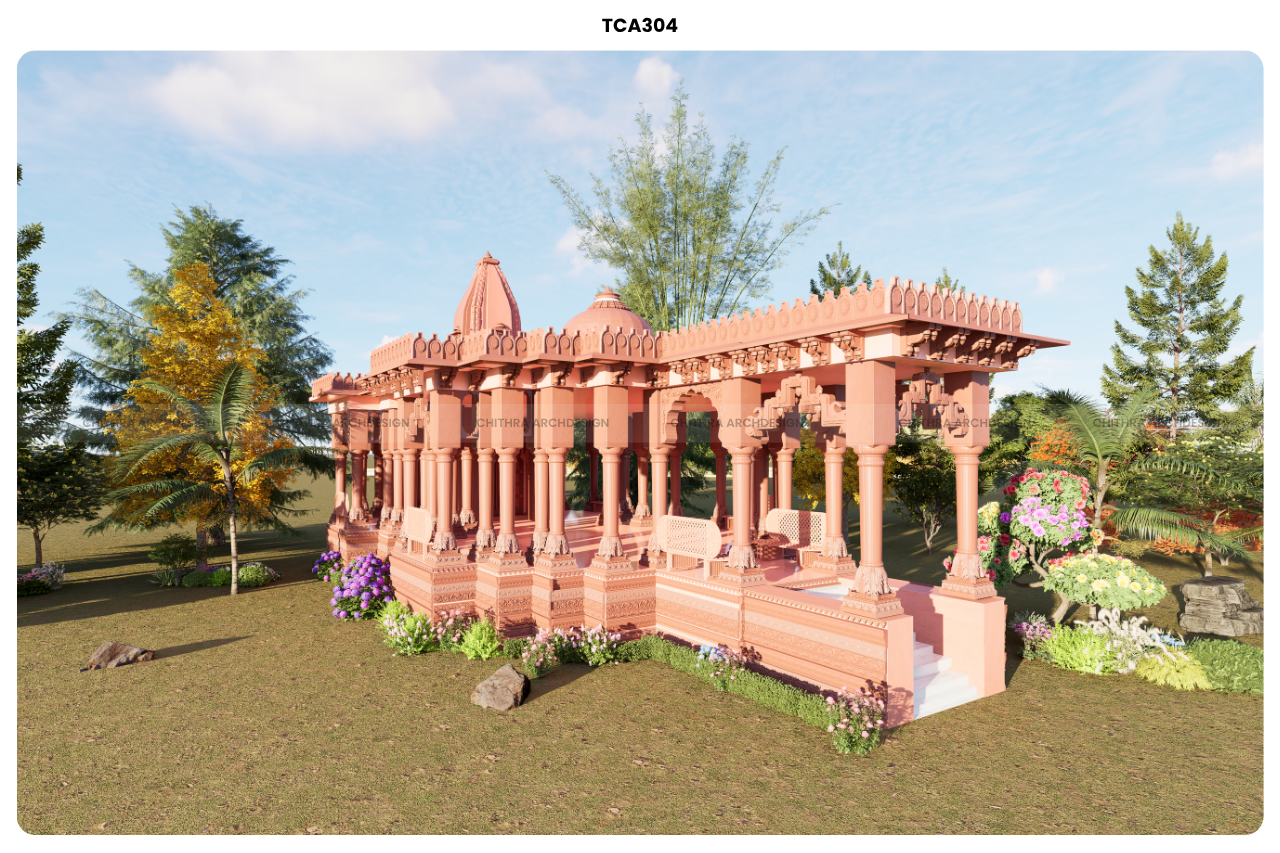
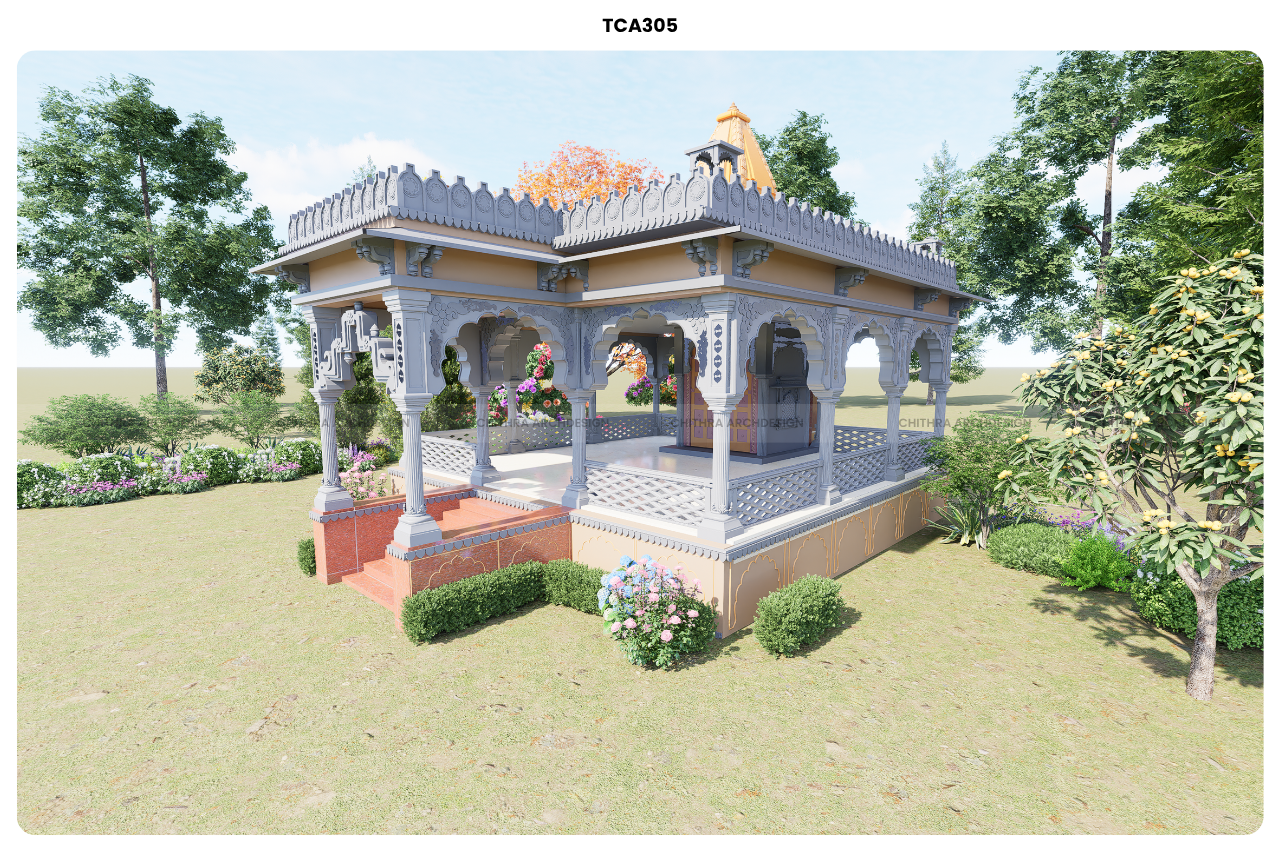
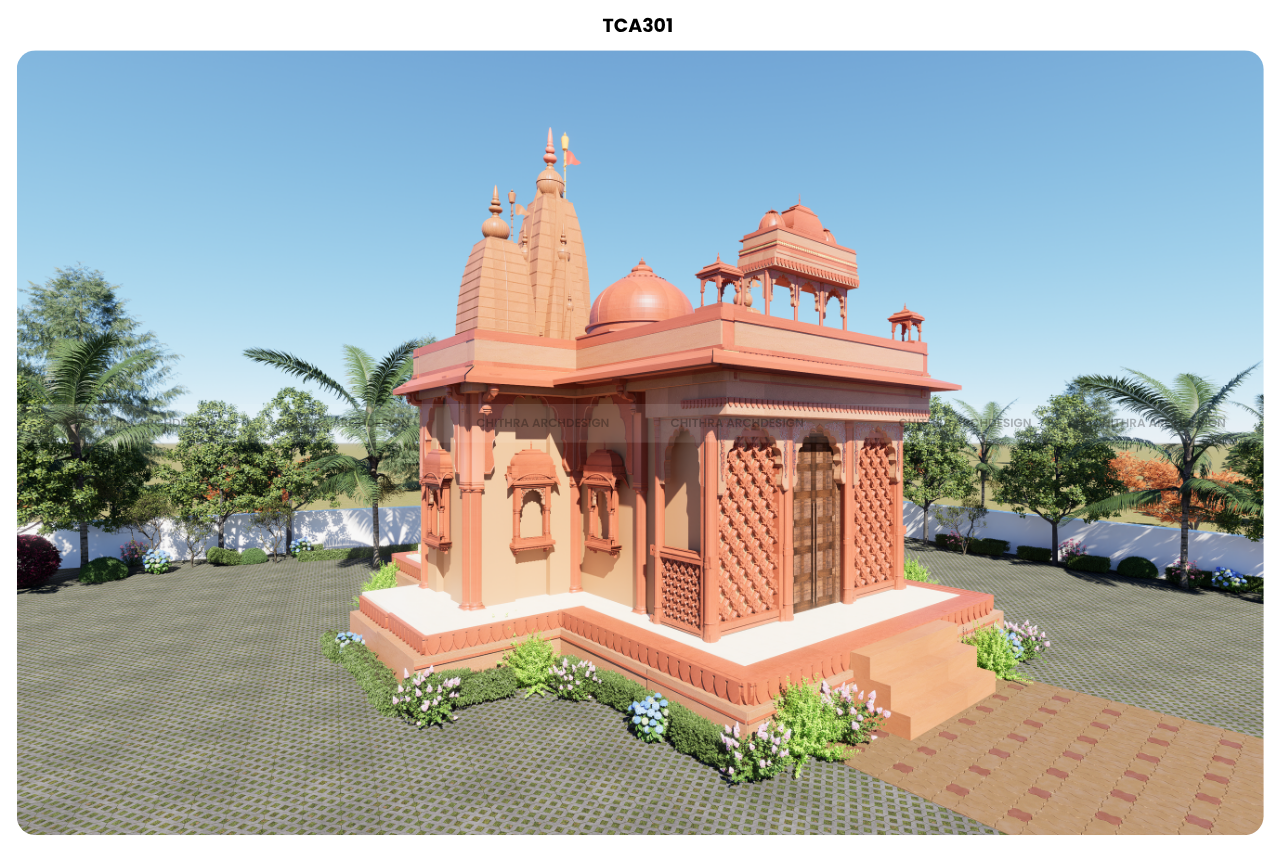
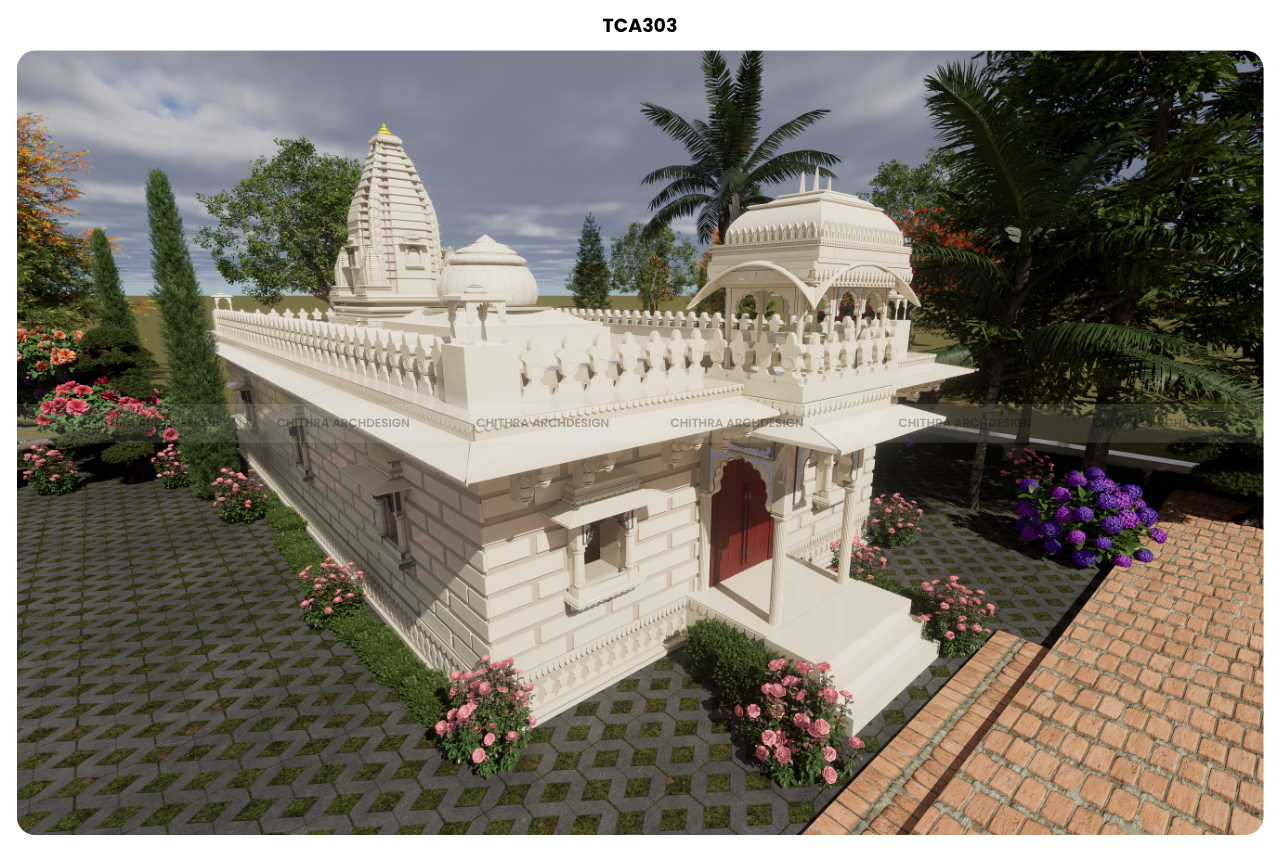
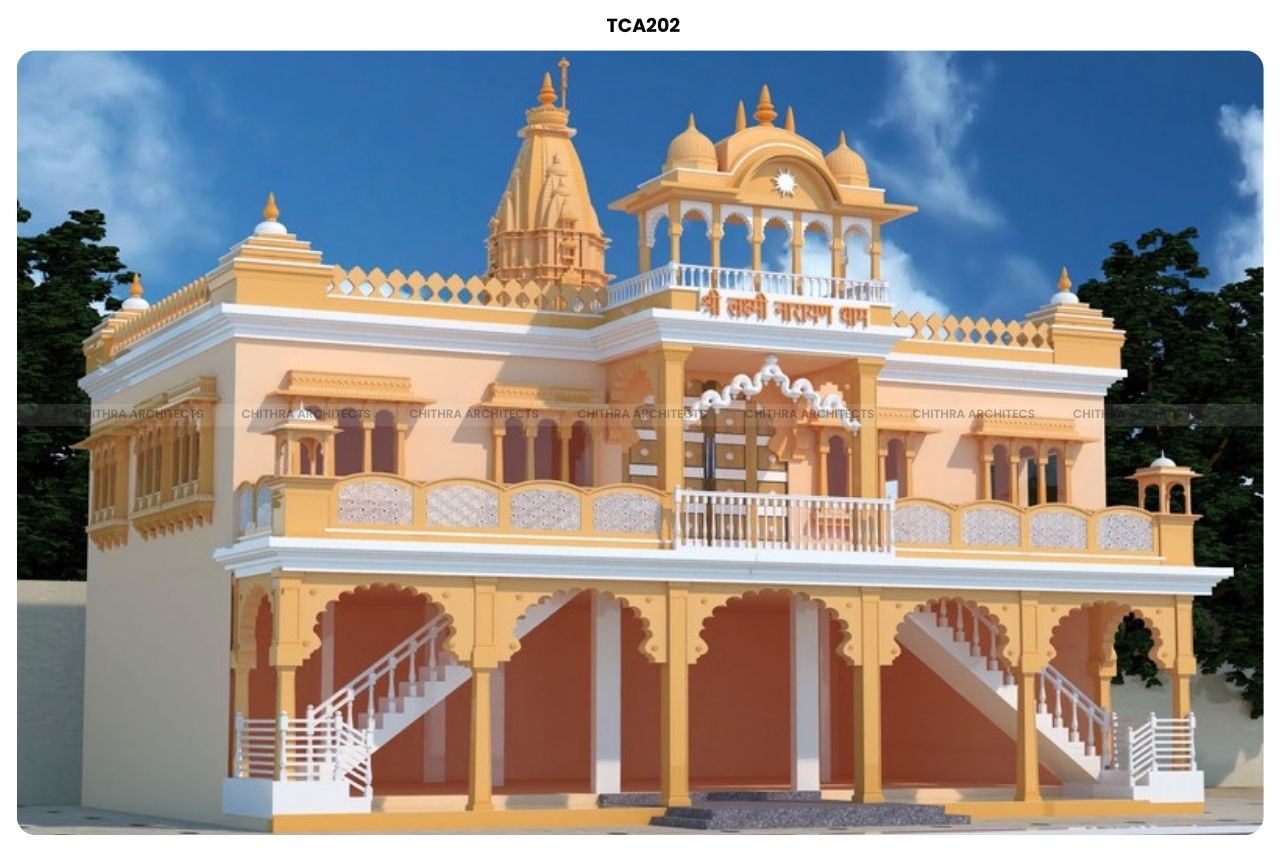
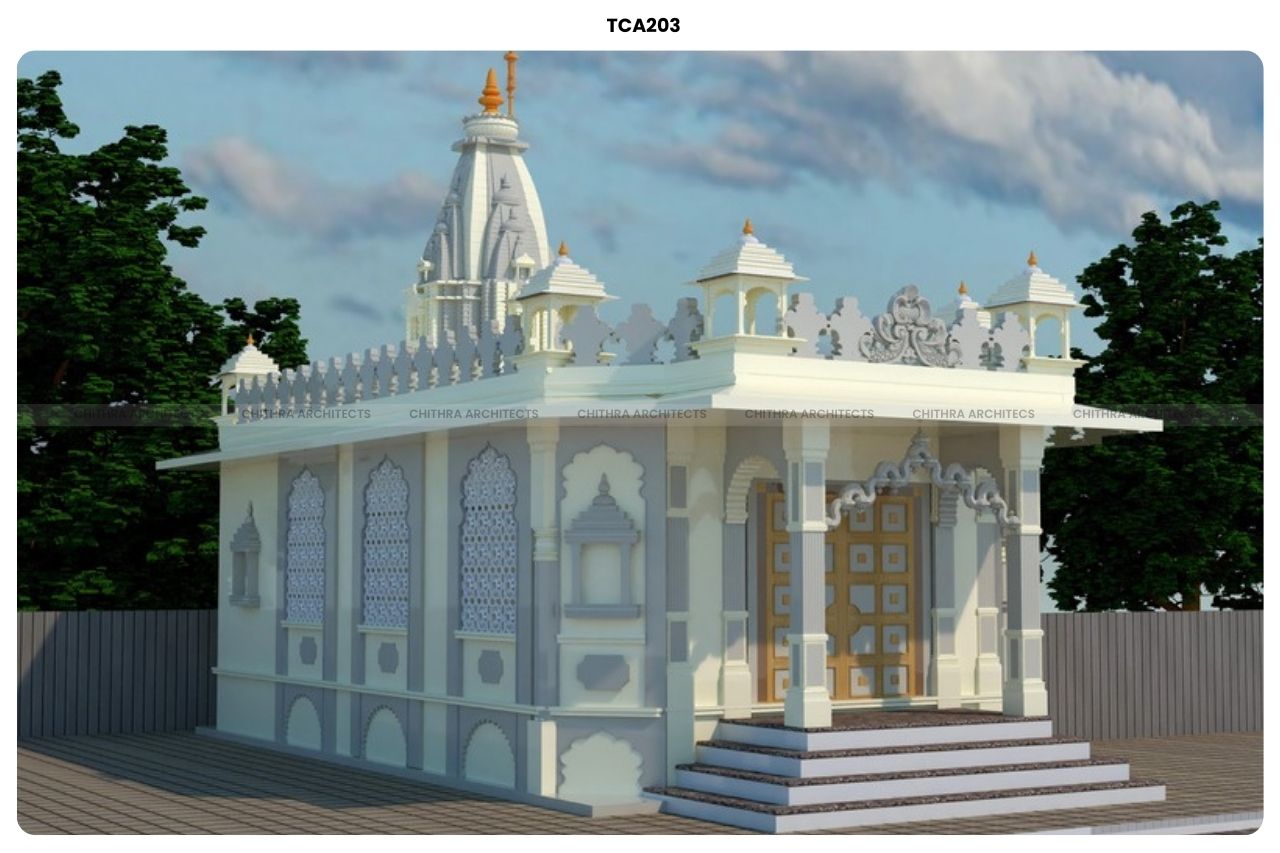
Temple Detailing


Temple elevation design is a deeply spiritual and culturally meaningful process, shaping the visual identity of a sacred space. A temple is not only a place of worship, but a center of energy, devotion, and cultural heritage. The outer appearance of a mandir reflects its sanctity and divine purpose. Whether it is a small home temple, village mandir, or large public spiritual complex, thoughtful elevation design enhances the spiritual presence, cultural symbolism, and devotional environment.
At Chithra Archdesign, we design temple elevations with respect to traditional Indian temple design principles, sacred geometry, and authentic aesthetics. Our elevation designers, Vastu consultants, and design coordinators ensure that every temple façade reflects spiritual significance and cultural purity. From ancient heritage-style shikharas to contemporary mandir exteriors with minimal detailing, each design is customized to suit devotional needs, surroundings, and regional temple traditions.
Benefits & Importance of Temple Elevation Design
A meaningful temple elevation enhances not just aesthetics but the spiritual impact of the space.
Key Advantages:
- Symbolic and Spiritual Expression: Represents divine harmony, sacred geometry, and religious identity.
- Cultural Preservation: Helps continue traditional temple art forms, carvings, and regional sculptural styles.
- Holistic Worship Environment: Supports a peaceful and devotional atmosphere.
- Enhanced Recognition: A well-designed mandir becomes a community landmark that inspires devotion.
- Structural Balance and Durability: Ensures longevity, stability, and safe support for temple towers, domes, and entrance gateways.
- Vastu Harmony: Aligns the temple energy with cosmic directions for enhanced positivity.
Temple elevation design is not just visual composition-it is a spiritual responsibility rooted in respect, devotion, and timeless cultural aesthetics.
Planning Process for Temple Elevation Design
Our temple elevation design process is detailed and spiritually informed.
Step 1: Understanding Purpose & Tradition
- Identify deity type (e.g., Shiva mandir, Krishna Mandir, Devi temple).
- Understand rituals, daily worship practices, and expected footfall.
- Study regional temple style and cultural preferences.
Step 2: Layout Analysis and Orientation
- Analyze temple plan and sanctum (Garbhagriha) positioning.
- Ensure alignment in accordance with Vastu and Agama principles.
- Discuss entrance axis, mandapa (prayer hall), and pradakshina (circumambulation) path.
Step 3: Concept & Style Development
- Define Shikhara or Vimana style.
- Select ornamentation level (ornate / moderate / minimal).
- Identify symbolic elements like Kalash, Toranas, Sculptures, Prakar walls.
Step 4: 3D Elevation Rendering
- Produce realistic visualizations from multiple angles.
- Present surface textures, carvings, color tones, and sculptural details.
- Allow revision and finetuning based on client preference.
Step 5: Material Finalization
- Suggest suitable materials based on budget, climate, and maintenance:
- Sandstone or granite for longevity
- Hand-carved wood for entrance doors
- Traditional lime plaster or textured finishes
- Copper or brass kalash for shikhara top
- Sandstone or granite for longevity
Step 6: Execution Coordination
- Assist during construction for ensuring precise detail replication.
- Guide contractors on sculptural and ornamentation accuracy.
Elevation Development & Sacred Façade Detailing
Temple elevations require careful attention to detail. We consider:
- Placement and Scale of Shikhara / Gopuram / Vimana
- Entrance Gopura or Archway Design
- Proportions Between Garbhagriha, Mandapa, and Outer Walls
- Carved Pillars, Jharokhas, and Ornamental Frames
- Lotus, Chakra, Trishul, Kalash, Om and other spiritual motifs
- Surface finishes that add dignity to the temple
We balance traditional divine symbolism with practical construction feasibility.
Structural Design Considerations
Our structural planners ensure:
- Safe load-bearing support for temple towers and domes.
- Proper reinforcement for stone or carved façades.
- Moisture control to prevent erosion of carvings.
- Stability for prayer hall roofs, entrance columns, and platform extensions.
The goal is to create a long-lasting sacred monument, not merely a decorated façade.
Styles of Temple Elevation Covered
India has diverse temple styles rooted in geography and tradition. We design mandir elevations inspired by both classical and modern interpretations.
Nagara Style (North India)
- Tall curvilinear shikhara (tower).
- Layered stonework, carved deities, and sacred ornamentation.
- Popular in UP, MP, Rajasthan, Haryana.
Dravidian Style (South India)
- Gopuram tower with sculptural layers.
- Broad mandapas, carved pillars, and sculptural narrative.
- Seen in Tamil Nadu, Andhra Pradesh, Karnataka.
Kalinga / Odisha Style
- Strong vertical spire with rhythmic stone elements.
- Jagamohana (large mandapa hall).
Kerala Traditional Mandir Style
- Sloping wooden roof and copper or clay tiles.
- Calm, devotional, and minimal ornamentation.
- Ideal for humid tropical climate.
Himalayan / North-East Temple Style
- Timber and stone combination.
- Simple yet spiritually expressive forms.
Modern Minimal Mandir Style
- Clean forms, focus on simplicity and peace.
- Preferred for small home temples and community temples in cities.
We also design:
- Small Home Puja Room Mandirs
- Village Temples
- Trust / Community Temples
- Spiritual Retreat Mandirs
- Ashram Prayer Halls
- Goshala Temple Complexes
Regional Relevance and Cultural Context
India’s temple traditions vary regionally; our designs respect this authenticity.
Region | Preferred Style | Material Choices |
Rajasthan & MP | Nagara stone style | Sandstone, marble, lime |
Tamil Nadu | Dravidian gopuram style | Granite, stone sculptures |
Karnataka & Kerala | Sloping-roof temples | Timber, laterite, copper tiles |
Bengal & Odisha | Kalinga curved tower style | Stone, terracotta |
North India Cities | Modern + Heritage mix | Textured plaster + stone cladding |
We ensure each temple elevation feels connected to its land and devotees.
Vastu Integration in Temple Elevation Design
Vastu in temple elevation ensures energy flow aligns with spiritual intent.
- Garbhagriha ideally faces East for divine sunrise energy.
- Main entrance should be welcoming and open.
- Shikhara height symbolizes rising spiritual aspiration.
- Mandapa orientation supports comfortable collective worship.
- Kalash placement enhances divine vibration.
Our Vastu consultants ensure the façade reflects balance, purity, and sanctity.
FAQs
What is temple elevation design?
Temple elevation design refers to the design of the external façade of a temple, including tower (shikhara), entrance, detailing, and overall sacred visual representation.
Can you design temple exteriors based on specific deity traditions?
Yes. Temple elevation is customized based on deity form, spiritual tradition, and cultural symbolism.
Do you offer 3D temple elevation views?
Yes. We create detailed 3D renderings to help visualize the mandir before construction.
Can modern materials be used while keeping traditional look?
Yes. We combine durability with traditional aesthetics, ensuring beauty with longevity.
Do you help during temple construction execution?
Yes. We coordinate with site teams to ensure correct detailing and finish.
Conclusion
Temple elevation design is a sacred responsibility-an expression of devotion, culture, and timeless beauty. At Chithra Archdesign, we approach temple design with reverence, precision, and cultural respect. Every elevation is shaped to radiate divine presence, calmness, and spiritual harmony.
Whether you are building a home mandir, community temple, or large spiritual complex, our elevation designers and Vastu consultants will guide you through every step.
To begin your temple elevation design project, contact our design consultant today.
Explore More
- Temple Elevation Design Services
- Resort & Homestay Elevation Designs
- House Front Elevation Design
- Bungalow Elevation Design Ideas
- Modern Home Elevation Designs
- Traditional House Elevation Styles
- Haveli Style Elevation Design
- Kerala Traditional Home Elevation
- Spanish Heritage Elevation Design
- Heritage House Elevation Restoration
- Gujarati Traditional Elevation Design
- Maharashtrian Wada Elevation Style
- Complete House Planning Solutions
- Vastu-Based Planning Consultation
- Home & Building Design Services
- Full Residential Planning & Support Services