
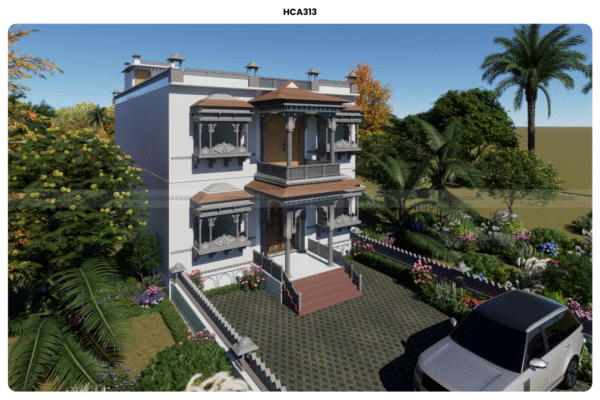
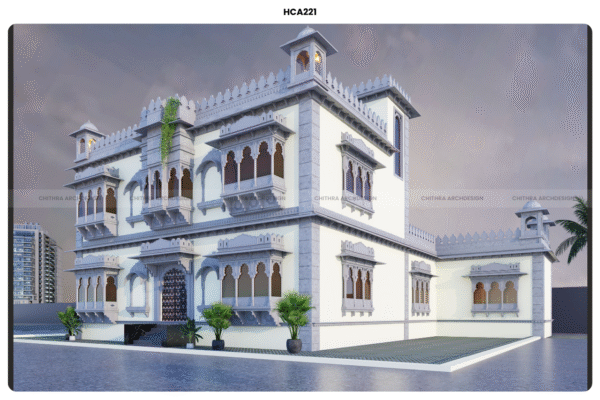
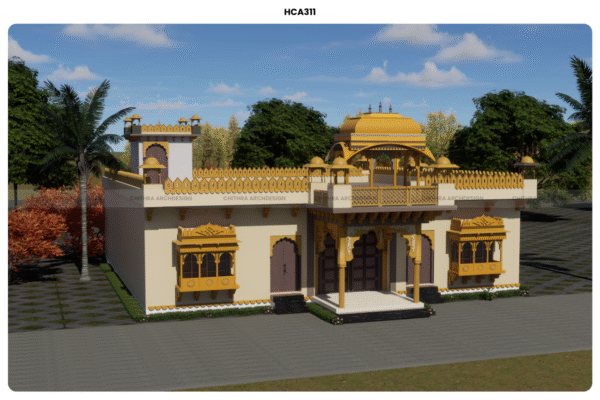
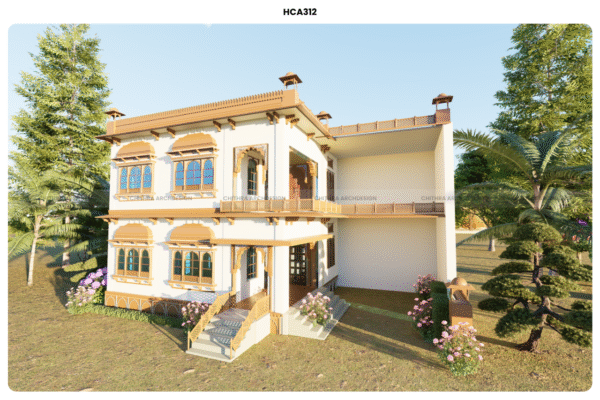
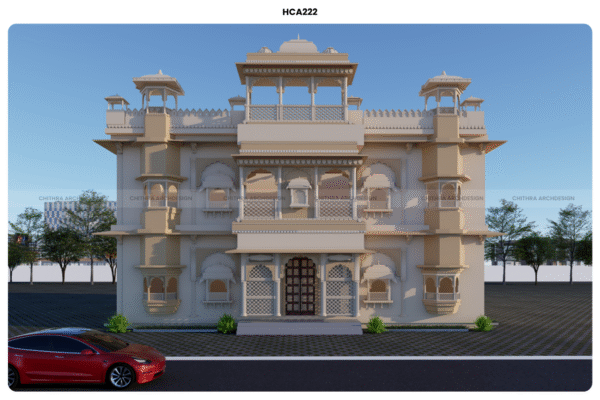
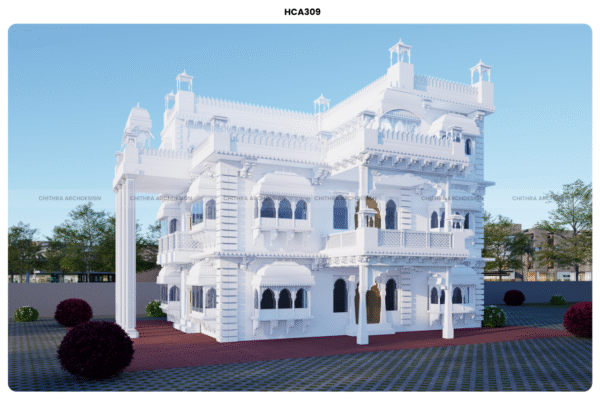
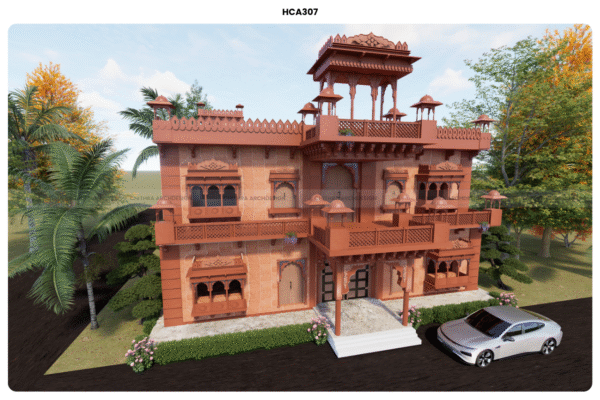
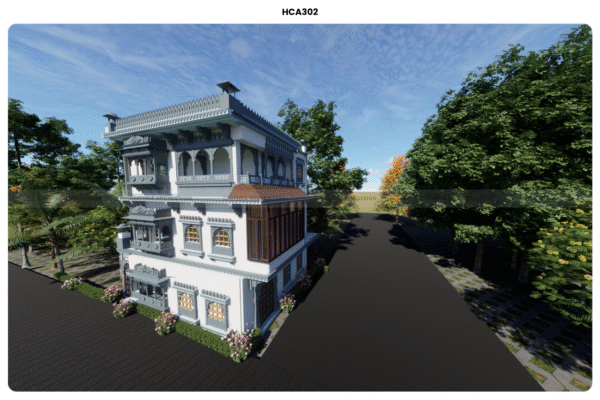
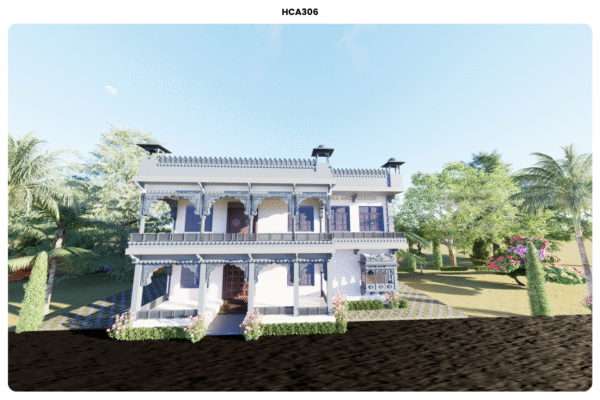
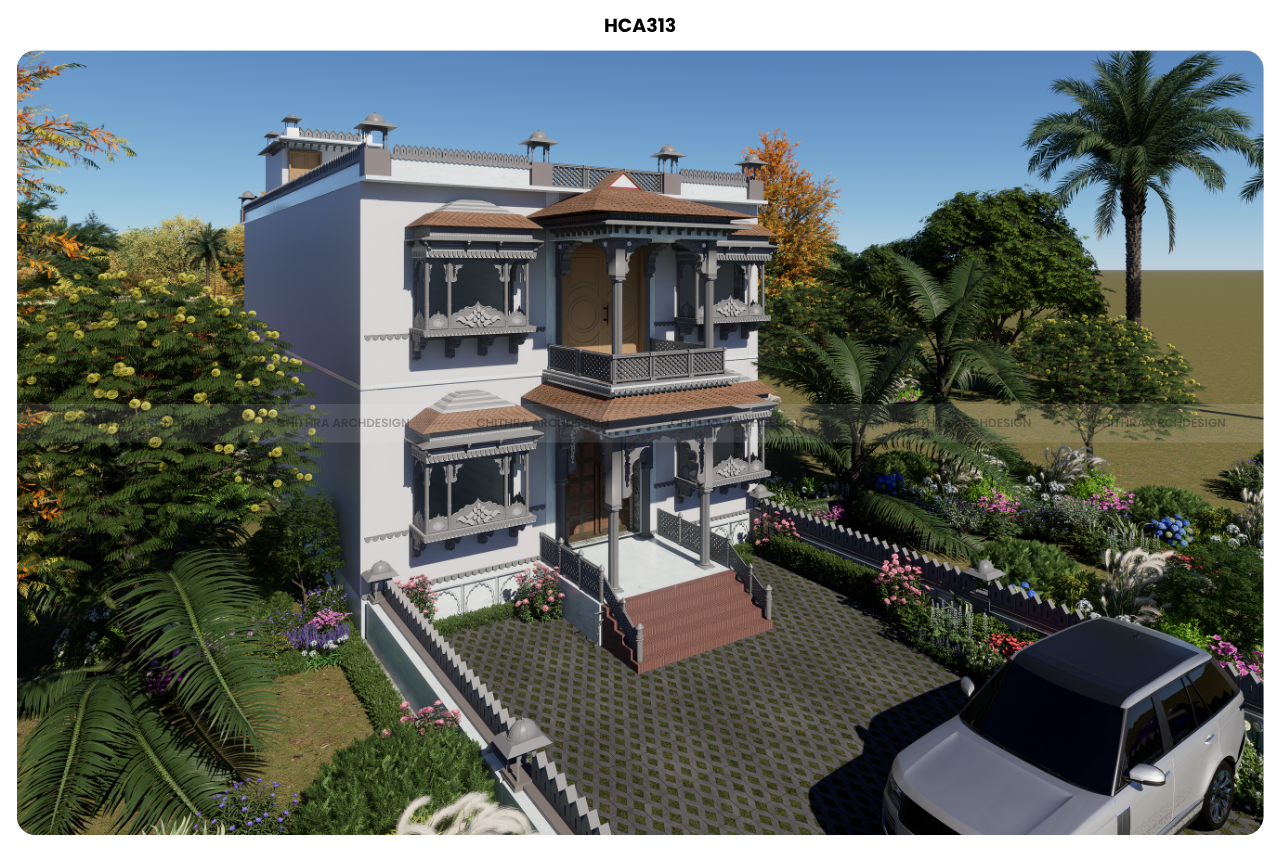
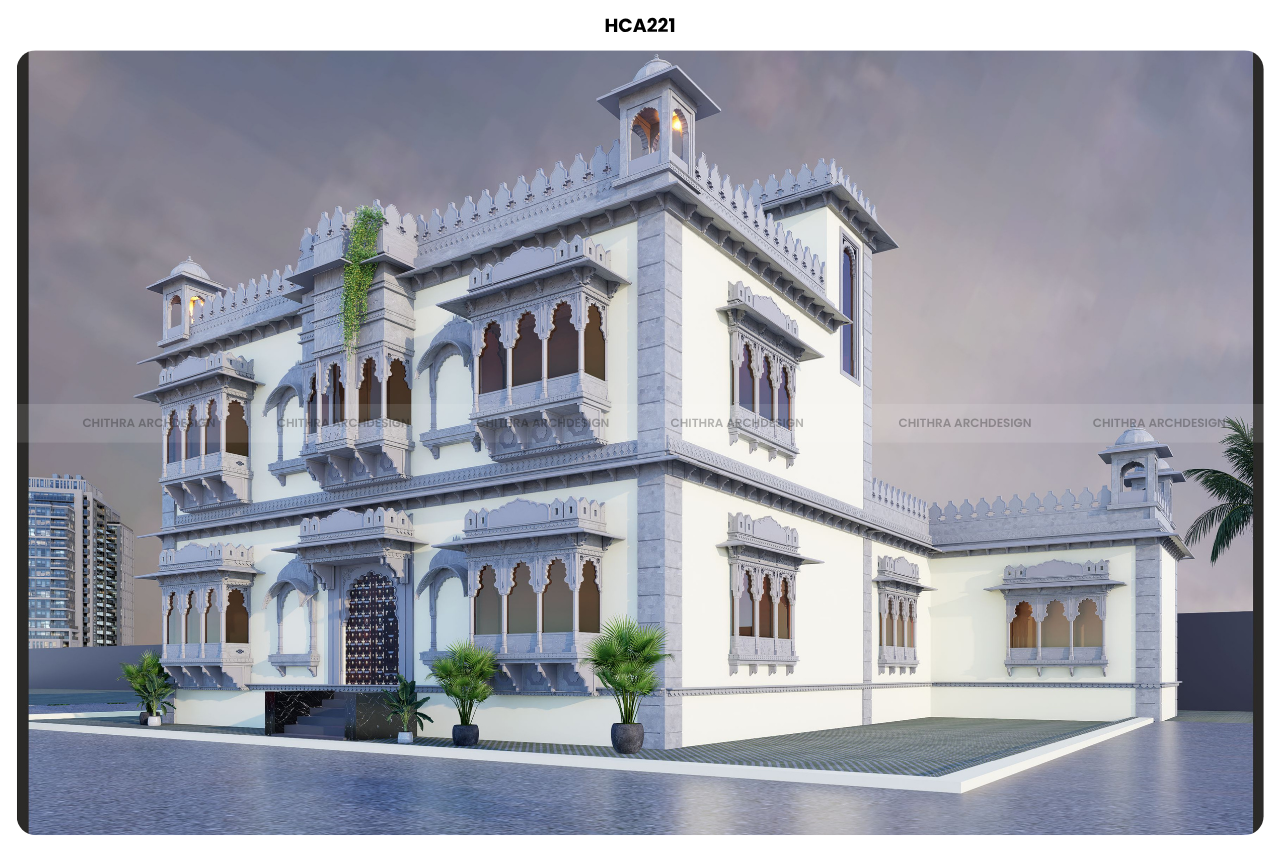
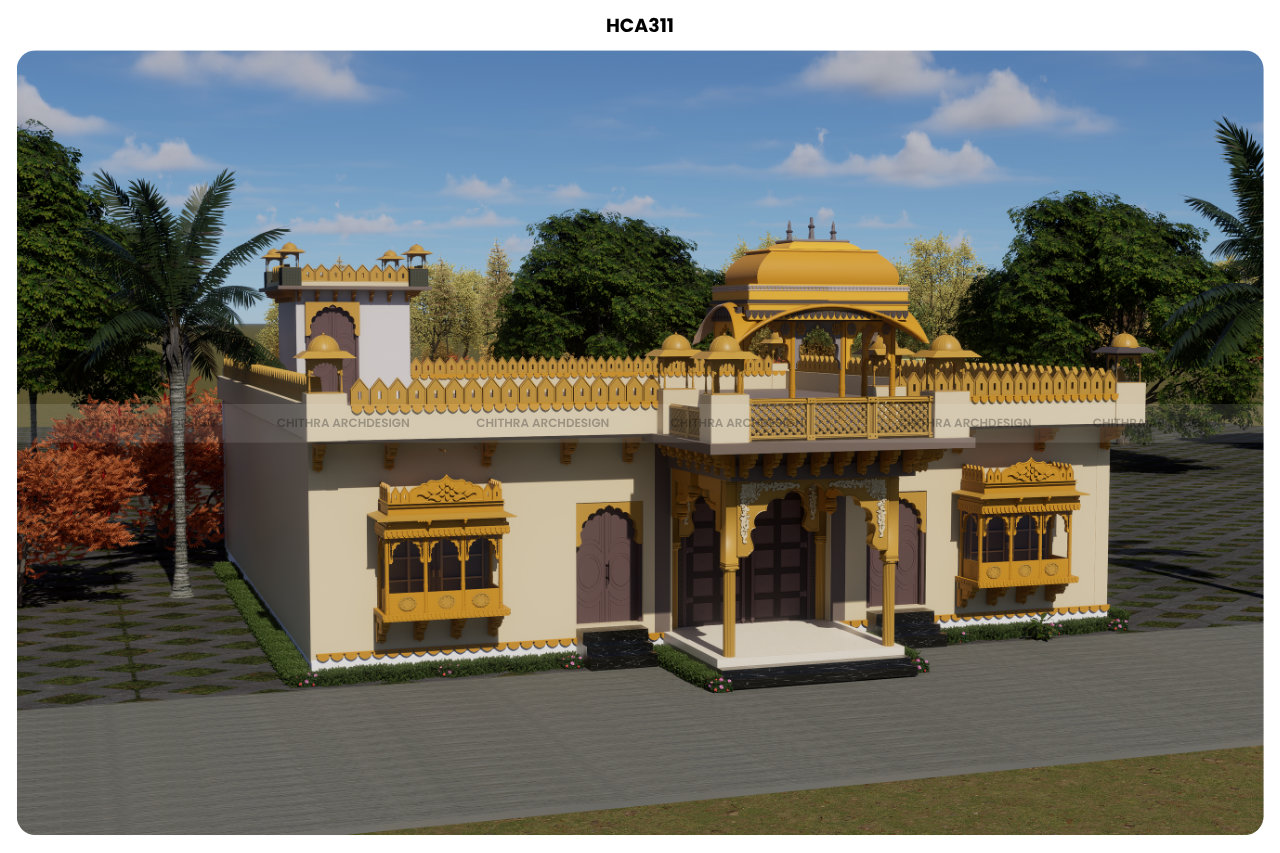
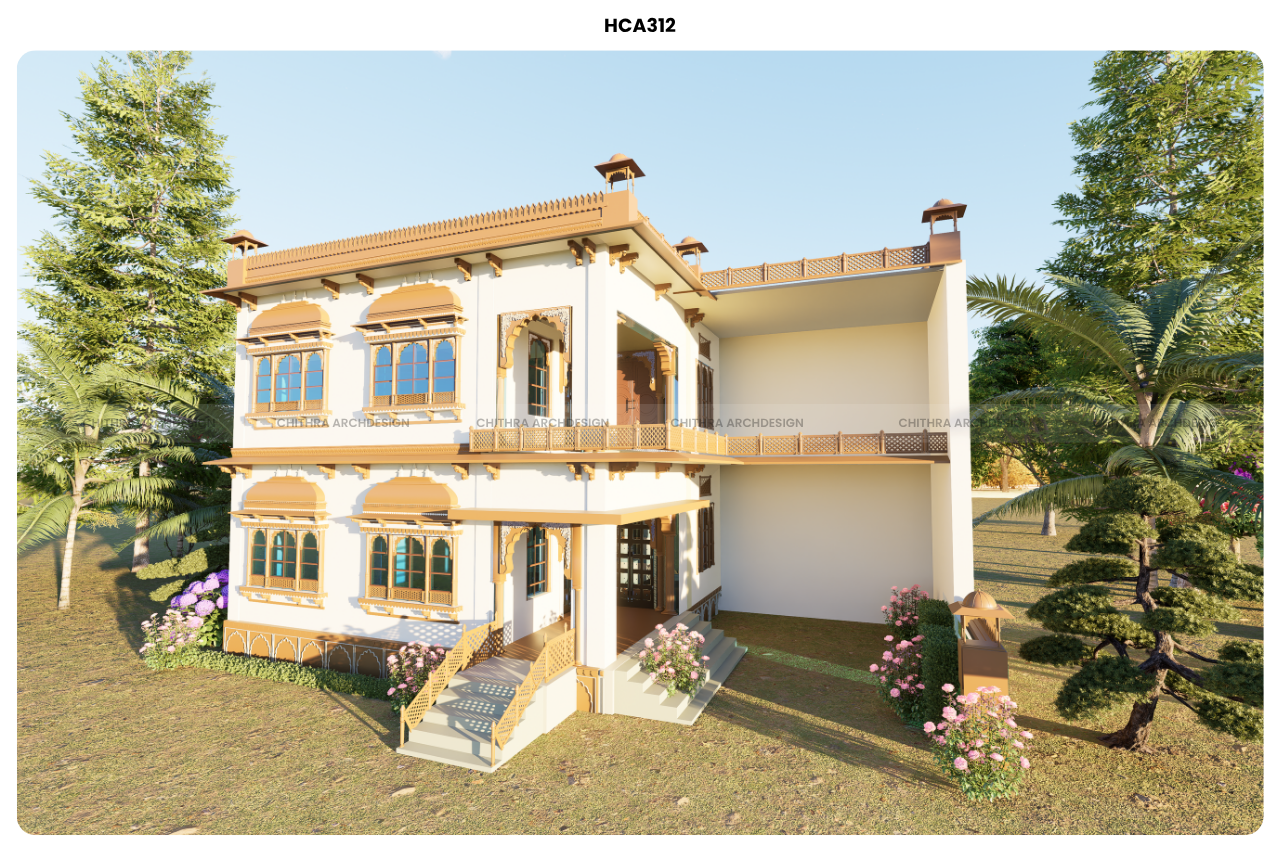
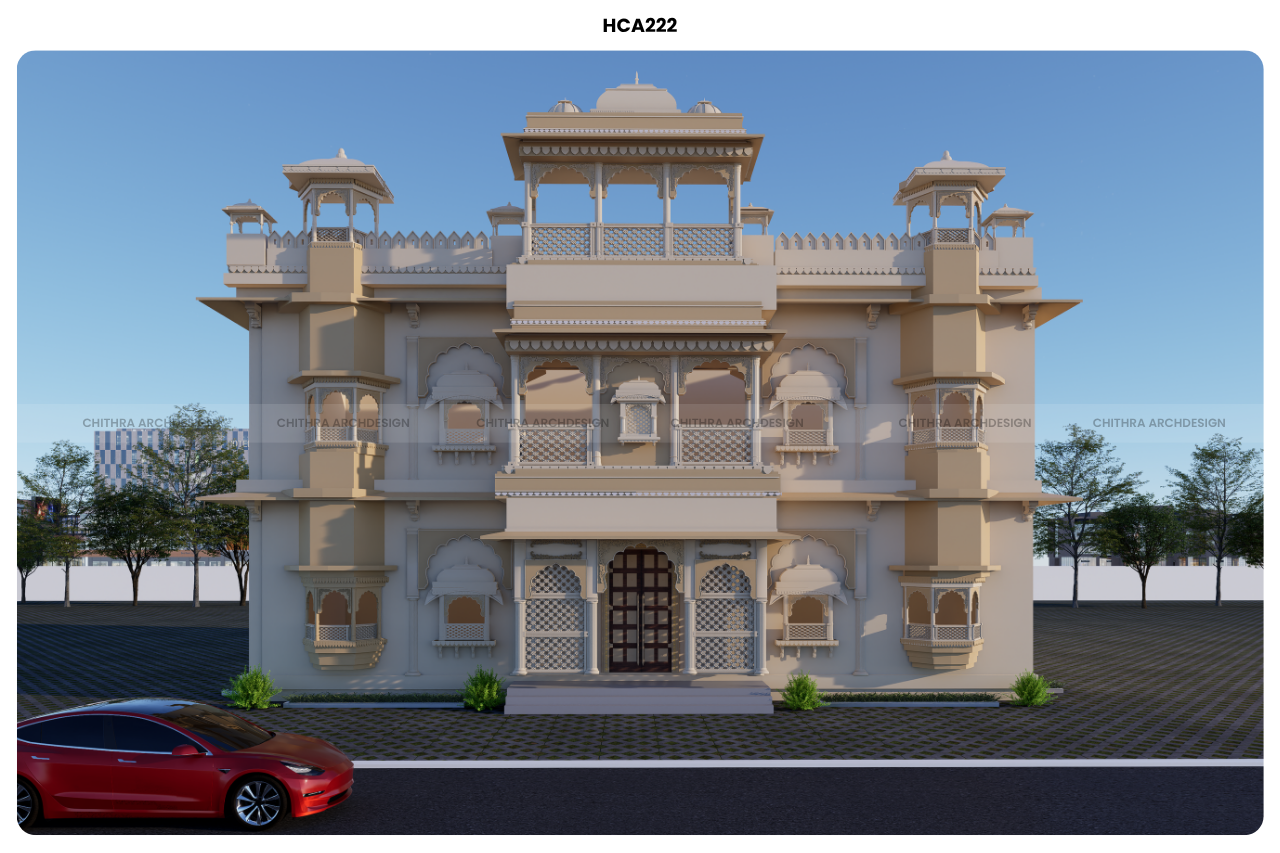
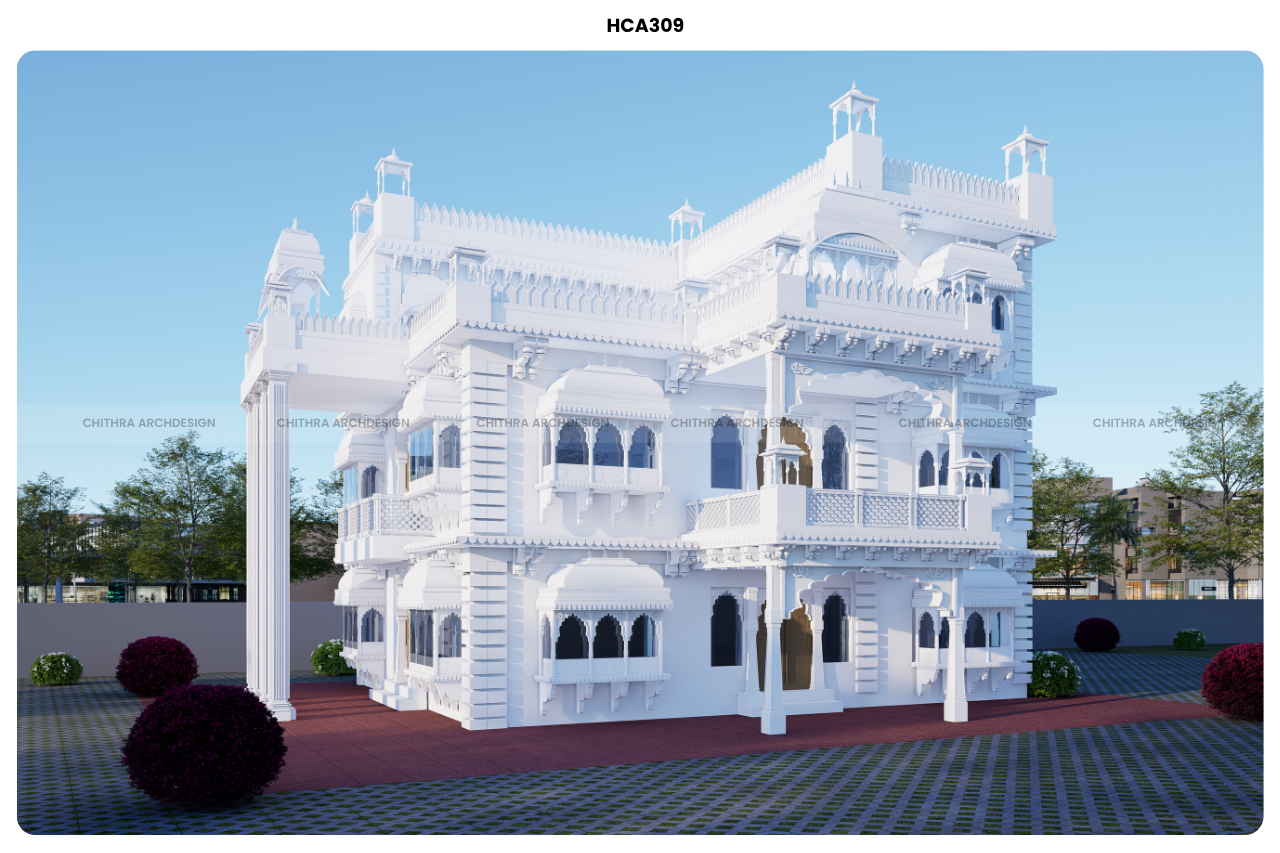
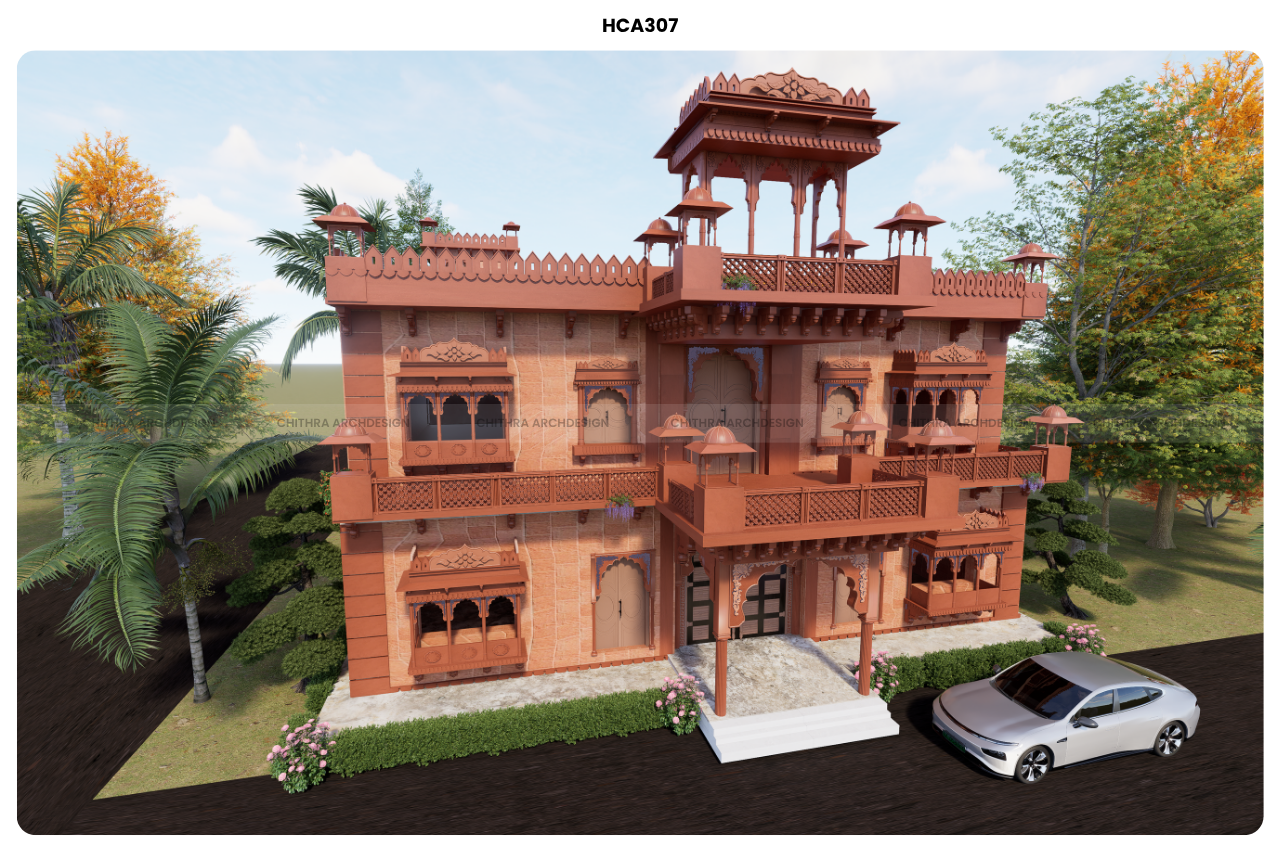
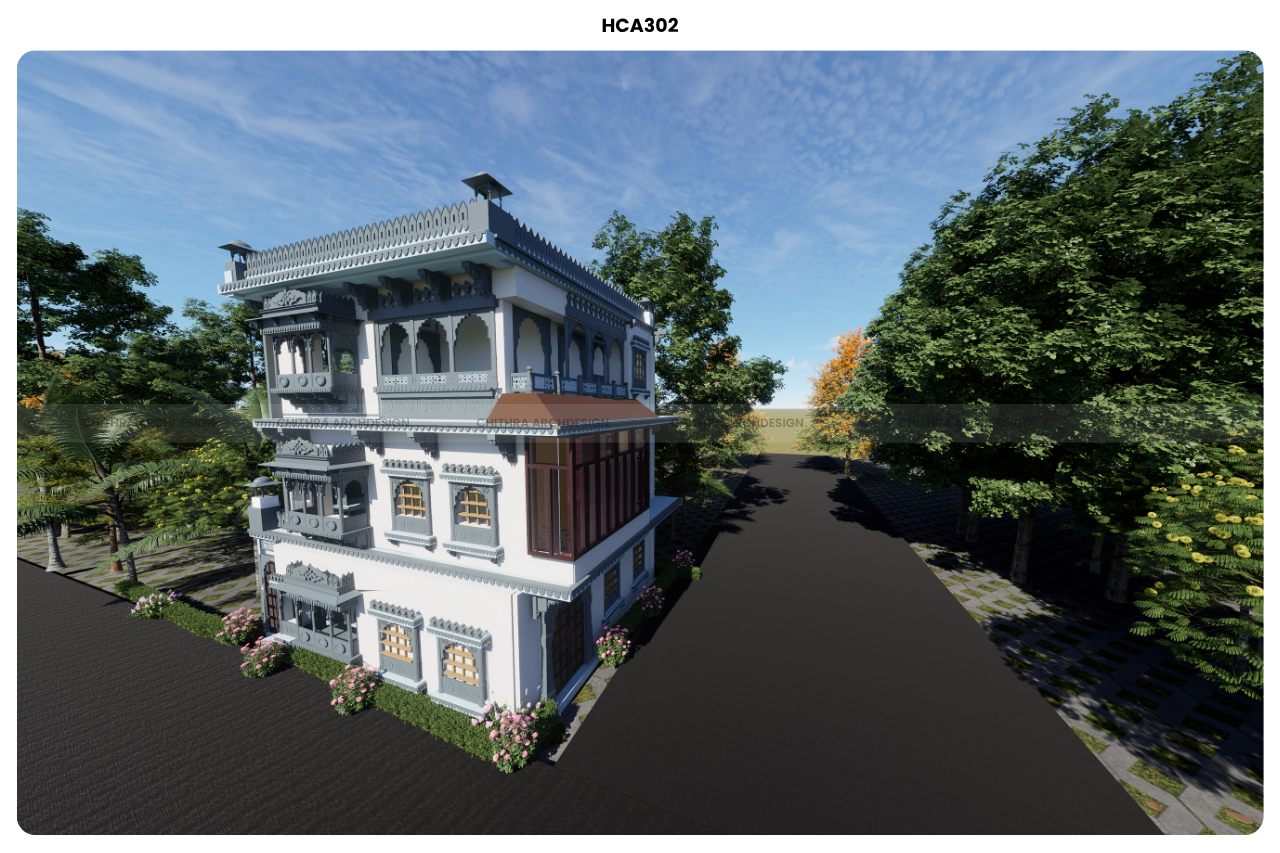
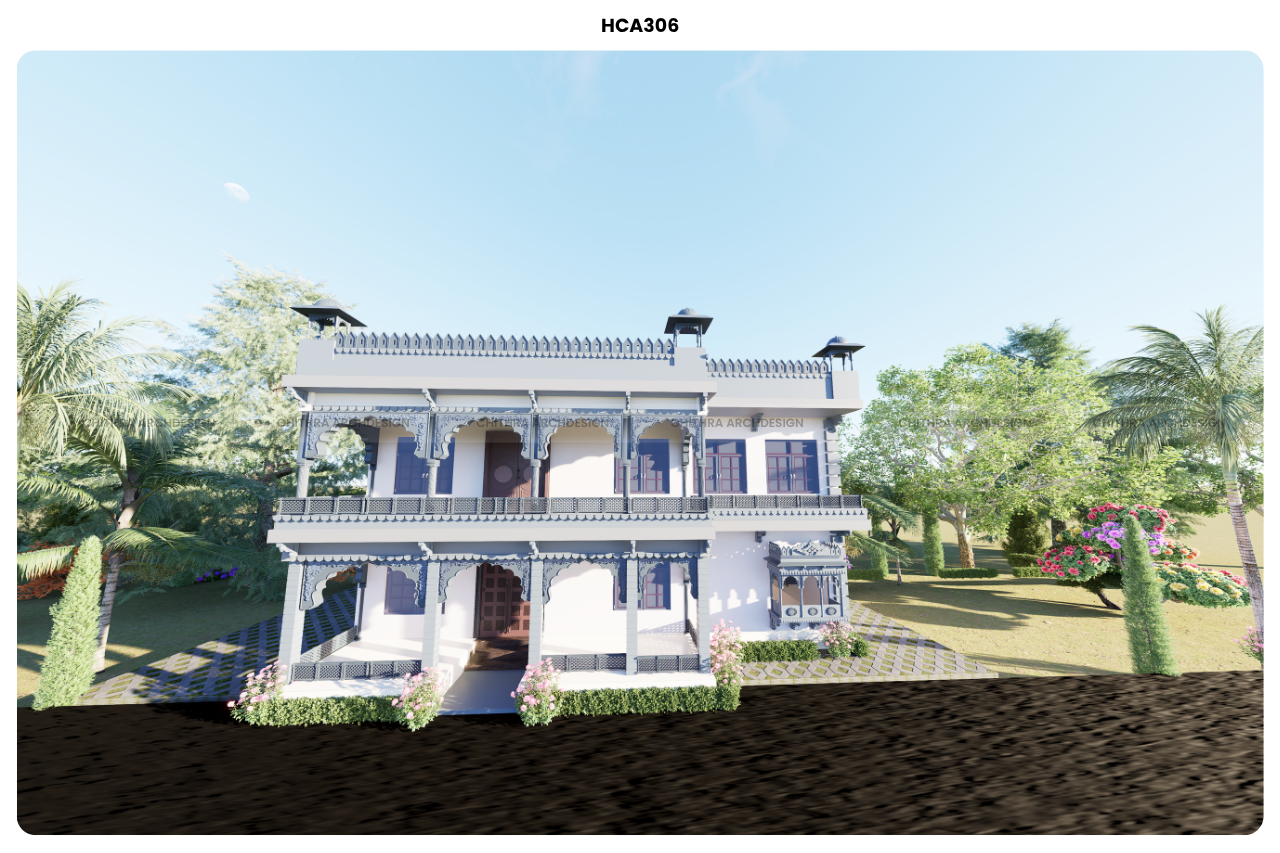
Jharokhas


Traditional house planning represents more than just housing-it reflects a way of living deeply connected to heritage, culture, and emotional comfort. In many regions of India, traditional homes are designed to respect family values, regional customs, climatic adaptation, and natural material use, providing a warm and timeless living environment. These homes create a strong sense of belonging and harmony with the environment, while maintaining a graceful aesthetic that modern structures often lack.
At Chithra Archdesign, we specialize in heritage home planning, offering custom layout designs rooted in vernacular building traditions, while ensuring modern functionality and lifestyle needs are respected. Whether it is a South Indian courtyard house, a Gujarati haveli-style home, or a Rajasthan stone bungalow, our home planners and design consultants bring authenticity and precision to every detail.
Our mission is to design homes that feel like home – emotionally rooted, aesthetically soulful, and comfortable for everyday living.
Benefits & Advantages of Traditional House Planning
Why Traditional Home Layouts Remain Timeless
Traditional houses continue to be preferred across generations because they are built with thoughtful planning and natural balance:
- Cultural & Family-Centric Layouts
Spaces are arranged to promote shared activities, family bonding, and gatherings. - Climatic Adaptability
Use of courtyards, shaded verandas, wooden details, stone walls, and natural ventilation strategies ensure comfort across seasons. - Long-Term Durability
Traditional building techniques emphasize strength through local materials and efficient structural planning. - Emotional and Aesthetic Comfort
Natural textures, warm colors, handcrafted elements, and timeless decorative motifs provide harmony and tranquility. - Vastu Harmony
Traditional homes naturally align with Vastu Shastra, promoting positivity, health, and mental balance. - Connection to Nature
Gardens, open yards, wells, tulsi spaces, and natural airflow are integrated into the planning.
A traditional house is not merely built-it is cultivated, based on respect for heritage, sustainability, and peaceful living.
Our Traditional House Planning Process
The traditional home planning process at Chithra Archdesign is methodical, culturally informed, and customized for each family.
Stage 1: Understanding Family Lifestyle & Cultural Values
We begin by exploring:
- Family size & generational needs
- Ritual space importance (Pooja room, courtyard, common hall)
- Privacy requirements among family members
- Community customs & daily practices
Stage 2: Plot Study & Climatic Consideration
We examine:
- Plot shape, direction & topography
- Local climate (humid, dry, hot, coastal, hilly)
- Natural ventilation & sunlight patterns
- Regional construction traditions
Stage 3: Concept Layout Creation
Our home planners prepare the first conceptual layout:
- Zoning of private and shared spaces
- Primary courtyard and verandah placement
- Windflow and lighting path
- Vastu-aligned room distribution
Stage 4: Final Floor Plan & Spatial Detailing
Once confirmed, detailed drawings include:
- Room dimensions & furniture flow
- Door-window scheduling
- Kitchen and service space alignment
- Storage, utility, and pathway planning
Elevation Design for Traditional Homes
Traditional elevations focus on preserving cultural identity while supporting durability and beauty.
Our elevation designers incorporate:
- Ornamental wooden columns & balcony railings
- Clay or Mangalore tile roofing (Kerala / Coastal styles)
- Carved stone door frames (Rajasthan / North Indian styles)
- Earthy lime plaster or natural stone finishes
- Decorative jaali, varanda boundary, and heritage motifs
Each elevation is carefully balanced to reflect authenticity without compromising practical function.
Structural Design Process
Our structural planners ensure traditional homes are safe, stable, and future-ready.
Key elements include:
- Load-bearing masonry or RCC hybrid design
- Earthquake-resistant planning (especially in hilly or seismic areas)
- Foundation planning suited to soil and water table
- Natural insulation using wood, clay tiles, or stone walls
- Integration of modern plumbing and electrical systems without disturbing aesthetics
This ensures heritage charm with modern strength.
Styles of Traditional Homes Covered
Style Category | Region & Characteristics |
Kerala Nalukettu House | Central courtyard, sloped tiled roofs, teak wood details, verandas for monsoon protection. (Kerala home planning) |
Tamil Nadu Chettinad Mansion Style | Spacious halls, high ceilings, Athangudi tiles, carved wooden columns. |
Rajasthan Haveli Style | Courtyards, sandstone exterior, jharokha windows, stone jaali. |
Gujarati Pol Heritage Home | Ornate facades, internal courtyards, compact community-based layouts. |
Bengal Terracotta Heritage Home | Decorative brick facades, long verandas, climate-adapted high roofs. |
Maharashtra Wada Style | Multi-family courtyard layout, wooden beams, sloping tiled roofs. |
Himalayan Wooden Stone House | Wooden framing with stone base, thick walls for winter insulation. |
We plan for 1BHK to 6BHK layouts, farmhouses, courtyard villas, and ancestral family homes.
Regional Relevance Across India
Traditional house planning varies with India’s geographic, cultural, and climatic diversity:
- South India (Kerala, Tamil Nadu, Karnataka) → sloped roofs, verandas, natural wood
- North India (Punjab, Rajasthan, Haryana) → courtyards, thick walls, shaded open spaces
- East India (Bengal, Odisha) → terracotta materials, long verandas
- West India (Gujarat, Maharashtra) → community planning, shaded exteriors
- Himalayan Regions → stone foundations, insulated timber walls
We ensure every plan feels belonging to its land.
Vastu Integration in Traditional Homes
Traditional homes naturally align with Vastu principles. Our Vastu consultants ensure:
Room / Element | Ideal Placement |
Main Entrance | East or North for energy inflow |
Pooja Room | North-East for spiritual focus |
Master Bedroom | South-West for emotional grounding |
Kitchen | South-East (Agni corner) |
Living Hall | East-facing for morning light |
Courtyard | Central zone for air circulation and wellness |
We maintain Vastu balance without restricting modern comfort.
Frequently Asked Questions
What is the difference between traditional and modern house planning?
Traditional planning emphasizes cultural layouts, courtyards, natural materials, and emotional warmth, while modern planning focuses on minimalism, space optimization, and contemporary finishes.
Can a traditional home include modern facilities?
Yes. We blend heritage aesthetics with:
- Modular kitchen planning
- Modern bathrooms
- Smart lighting
- Efficient storage solutions
Do you provide Vastu-compliant layouts for traditional homes?
Yes. Vastu-based traditional planning is one of our core strengths.
Is it necessary to use wood and stone for traditional homes?
Not always. We also plan budget-friendly alternatives that replicate traditional beauty without high material cost.
Do you handle elevation and structural planning along with layout design?
Yes. We provide:
- Floor planning
- Elevation designing
- Structural planning
- Construction support documentation
Conclusion
Traditional house planning is an art that balances heritage, nature, and emotion. A well-planned traditional home is peaceful to live in, rooted in culture, and deeply connected to its environment.
At Chithra Archdesign, we create traditional homes that preserve identity while embracing modern convenience.
Every layout is thoughtfully personalized – never generic.
To begin your traditional home planning journey, contact our design consultant today.
Recommended internal links:
- House Plan Services
- Elevation Design Services
- Bungalow Planning Page
Explore More
- Vastu planning services
- Vastu house plans
- Resort planning services
- Temple planning & Vastu
- House planning services
- Modern house plans
- Bungalow floor plans
- Traditional house plans
- Haveli style house plans
- Maharashtra Wada style plans
- Gujarat traditional house plans
- Kerala Nalukettu house plans
- Spanish / Mediterranean plans
- Heritage house planning
- Design services & consultations
- Elevation & facade design
- Complete residential planning & structural services