
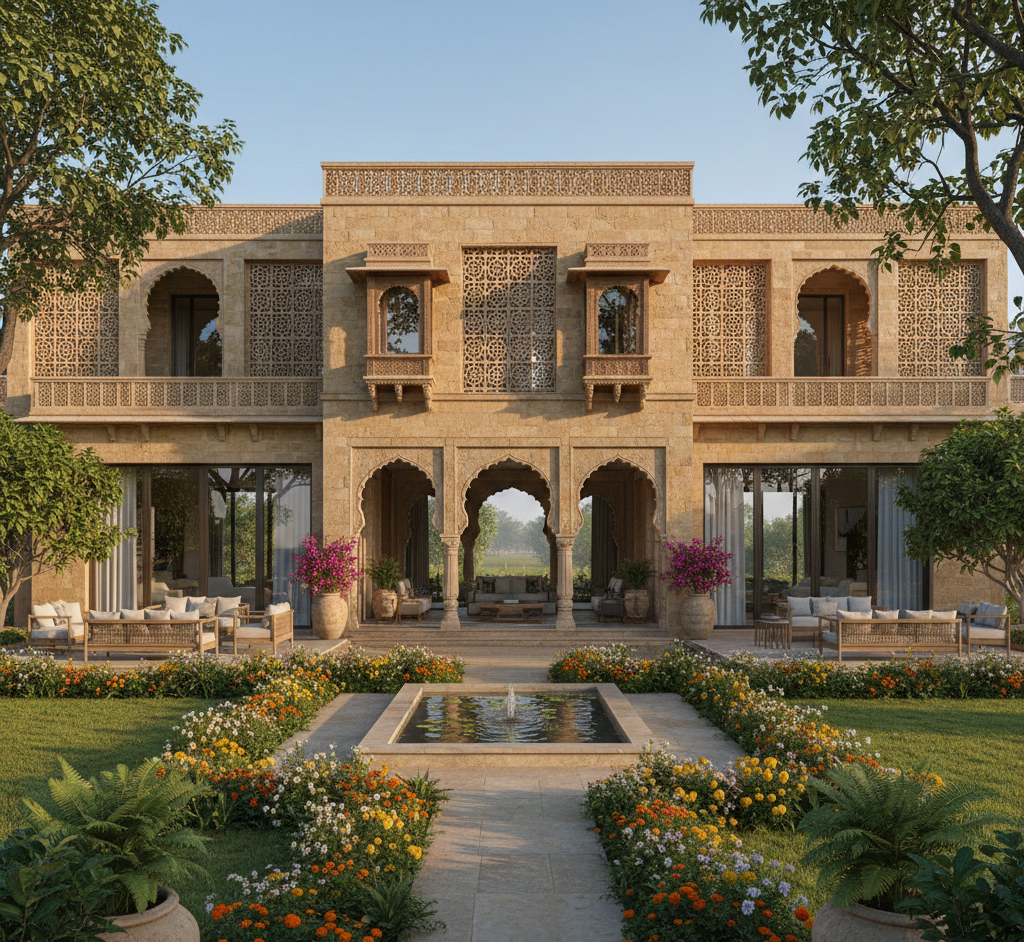
Designing a home is one of the most exciting projects a family can undertake, but small planning mistakes can lead to long-term regrets. Many homeowners focus on aesthetics – facades, finishes, or style – and overlook functional layout, natural ventilation, or the way rooms interact.
Over time, these issues may result in cramped spaces, poor airflow, or discomfort in daily living. To help families create homes that are both functional and visually inspiring, we’ve highlighted 5 common house design mistakes and how to avoid them, while blending traditional and modern design elements for a balanced, heritage-modern home.
Why Proper House Planning Matters
Thoughtful planning is the backbone of a comfortable and functional home. In India, homes must accommodate family gatherings, private spaces, and climate considerations, all while maintaining harmony and aesthetic appeal. Without proper planning, even a visually stunning home can feel cramped, poorly ventilated, or inconvenient to live in.
“In one of our projects, the homeowners initially focused on facade design, overlooking circulation and room placement. After redesigning the layout with central courtyards and optimized room positioning, the home felt spacious, well-lit, and naturally ventilated. Proper house design ensures spaces work for daily living while blending heritage-inspired charm with modern comfort.”
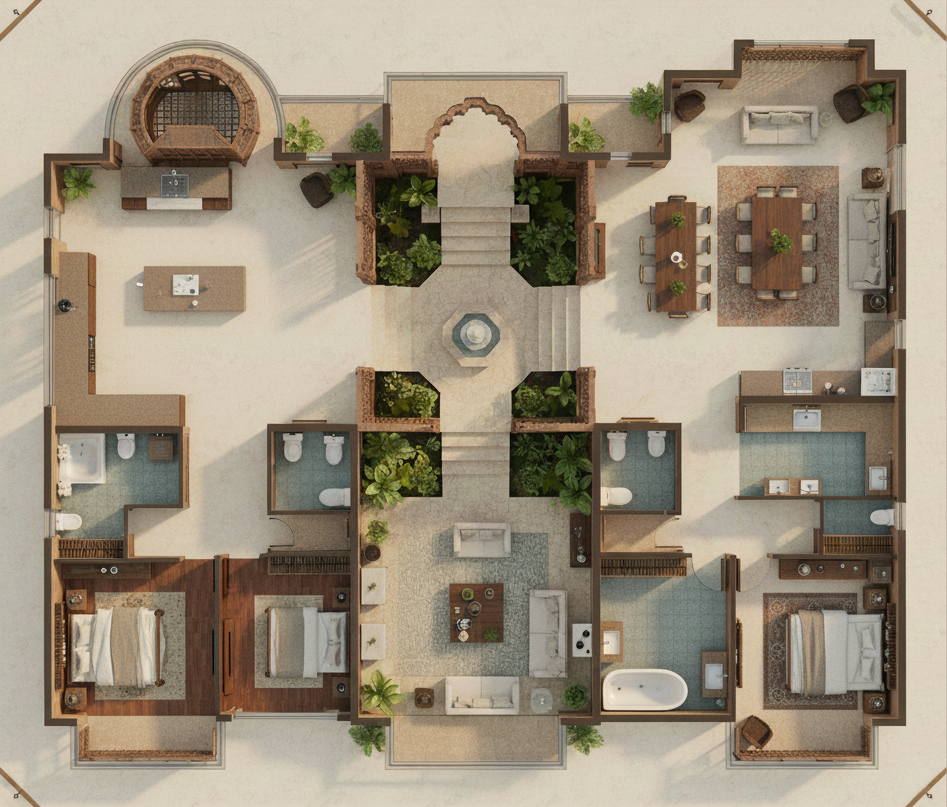
Common House Design Mistakes Homeowners Make and How to Avoid Them
Many homeowners focus on aesthetics but overlook functional flow, room placement, and Vastu principles. Here are key areas to pay attention to for a comfortable, harmonious home.
1. Ignoring Layout Flow
Poor circulation is a common issue in Indian homes. Walking through bedrooms or private areas to reach common spaces can disrupt comfort and daily routines.
“A family we worked with initially had to cross the children’s bedrooms to access the dining and living areas, which made daily life inconvenient and noisy. By redesigning the layout to centralize living spaces and maintain private zones, movement became effortless and intuitive.”
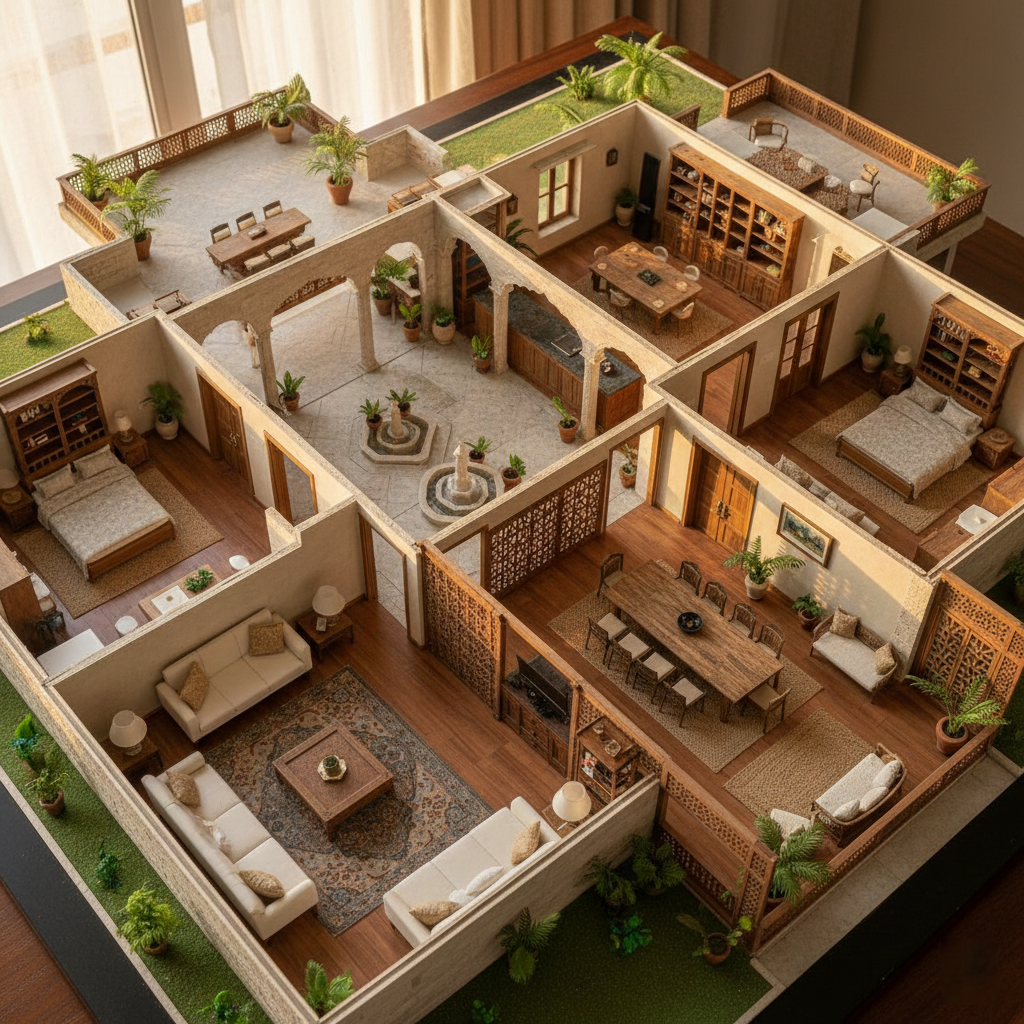
Proper layout flow not only enhances comfort but also improves natural ventilation, daylight distribution, and energy efficiency. Central courtyards or open corridors allow rooms to connect logically while maintaining privacy.
- Prioritize central living areas for easy access
- Avoid pathways that cut through private bedrooms
- Use corridors and courtyards to connect spaces efficiently
2. Wrong Room Placement
Room placement can make or break comfort. Bedrooms, kitchens, and pooja areas must consider sunlight, ventilation, privacy, and daily routines.
“A west-facing bedroom caused heat and discomfort in the afternoons. Shifting it to the east improved sunlight in the mornings and airflow throughout the day. Similarly, locating the pooja room near the northeast corner enhanced natural light and created a serene atmosphere.”
Incorrect room placement can lead to energy inefficiency, lack of privacy, and poor utilization of natural light. Vastu principles and climate-responsive design help optimize functionality without compromising aesthetics.
- Place bedrooms to capture morning light
- Ensure kitchens and service areas are functional and ventilated
- Locate spiritual spaces (pooja/meditation) in northeast for natural energy balance
Effective house planning ensures practical and culturally aligned room placement.
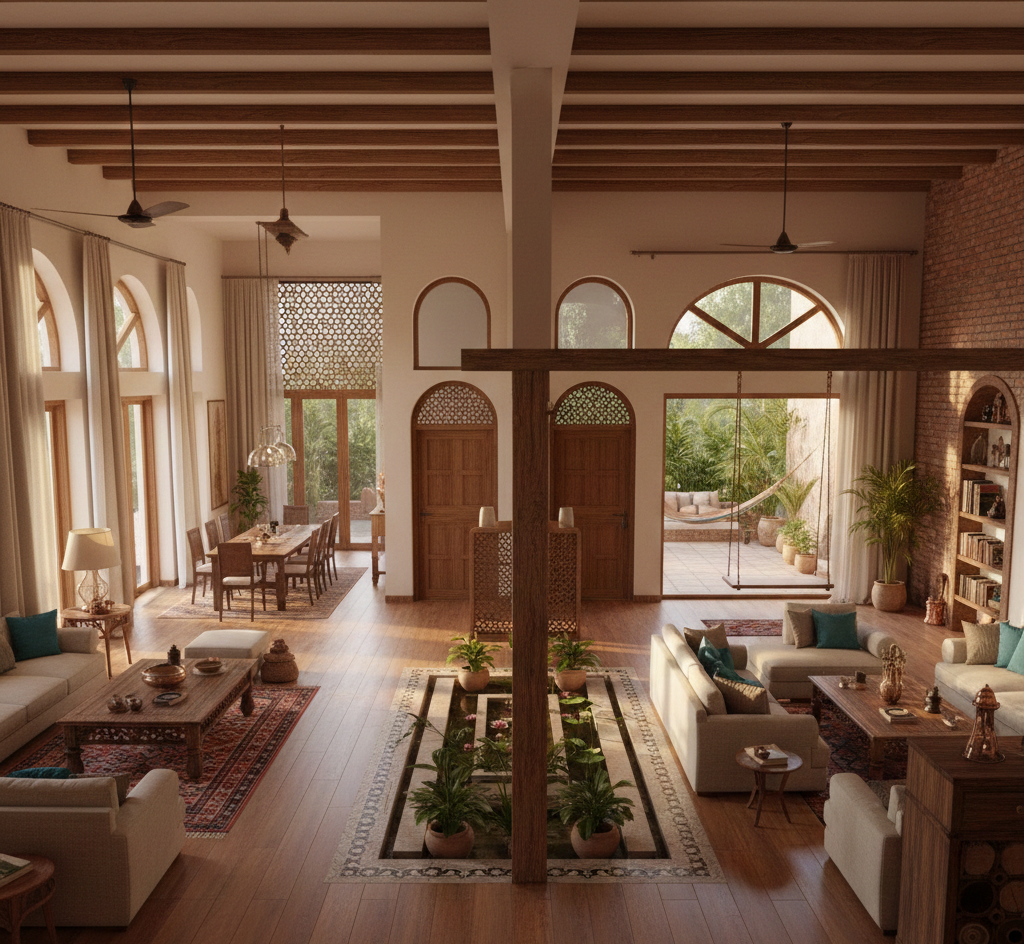
3. Not Designing for Indian Climate
Indian climates demand homes that naturally regulate heat, airflow, and daylight. Ignoring this leads to uncomfortable, energy-intensive homes.
“One client had large west-facing windows that caused excessive heat. By adding verandas, planting shading trees, and using central courtyards for cross-ventilation, the home became cooler, airy, and pleasant.”
Climate-responsive planning reduces dependency on mechanical cooling, improves energy efficiency, and enhances comfort. Traditional Indian architectural elements like courtyards, verandas, jaali screens, and high ceilings naturally adapt to the climate.
- Include cross-ventilation in all main rooms
- Use shaded openings, verandas, and courtyards
- Align windows and terraces with sun path for optimal light
4. Choosing Style Without Planning
Some homeowners select style first – modern, contemporary, or heritage – without planning functionality. This can create inefficient layouts and impractical spaces.
“Families often prioritize facades or visual appeal over comfort. By incorporating subtle carved wooden jharokhas, arches, and terraces, we added heritage charm while improving daylight and natural airflow.”
Aesthetic decisions without planning often lead to wasted space or structural inefficiency. Combining traditional house design principles with functional layout ensures both beauty and practicality.
- Plan functional flow first, then style
- Incorporate heritage elements for charm
- Use modern interventions only for comfort and efficiency
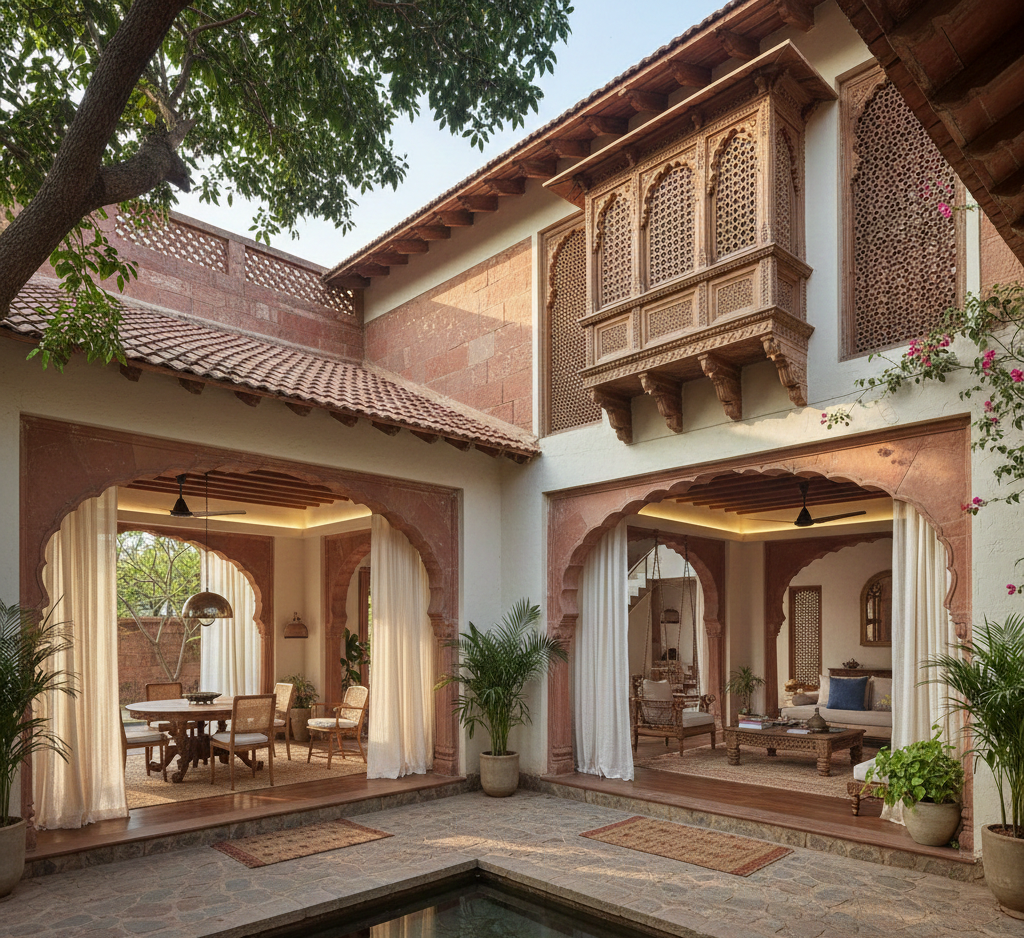
5. Copying Someone Else’s Floor Plan
Every family has unique needs. Copying layouts from friends or magazines often leads to discomfort and inefficient spaces.
“A client tried replicating a friend’s modern home layout but found it didn’t fit their routines. Redesigning with expert guidance allowed functional living areas while integrating heritage-modern touches.”
Individualized planning considers privacy, daily routines, and lifestyle, unlike copy-pasted designs. Blending modern house design with heritage-inspired elements ensures balance.
- Tailor layouts to family needs
- Balance heritage charm with modern comfort
- Consult professionals for optimal space utilization
How to Avoid These Mistakes
- Plan layout before finalizing facades or elevations
- Prioritize room placement, airflow, and comfort
- Respect Vastu principles and Indian climate
- Decide on style after planning functional spaces
Final Thoughts
A home should support life, not complicate it. Thoughtful house design ensures comfort, efficiency, and harmony for decades. Avoiding these mistakes creates a home that feels balanced, inviting, and timeless.
FAQs
- What is the most common house design mistake?
Ignoring room placement, airflow, and layout flow. - Does Vastu affect daily living?
Yes, it improves comfort, ventilation, and spatial harmony. - When should I start planning my home?
Before buying a plot or finalizing elevation and style. - Should I choose traditional or modern style first?
Layout first, style second. - How to ensure functional room placement?
Consider privacy, sunlight, circulation, and daily routines; professional planning helps.