
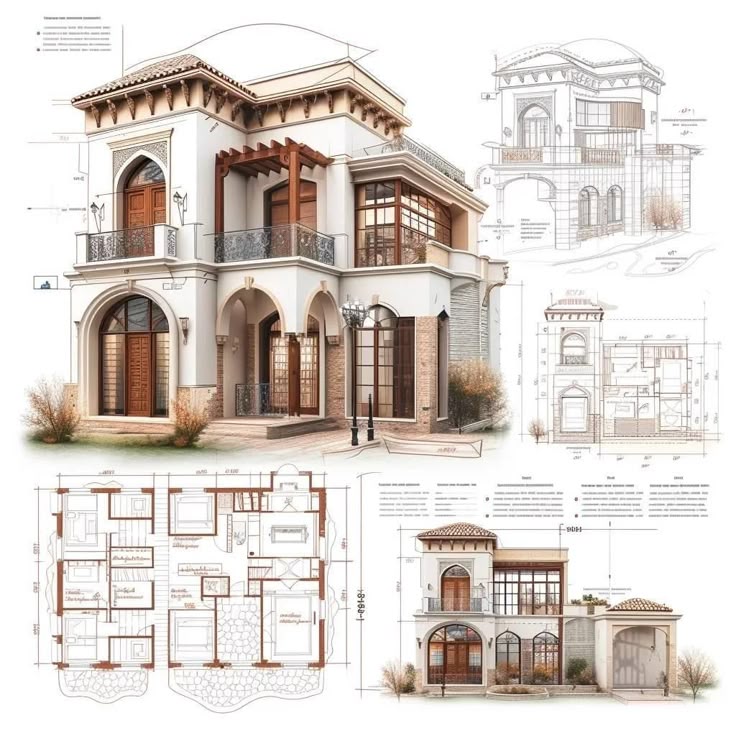
Traditional House Planning: Homes That Celebrate Heritage, Culture, and Timeless Living
In an age of fast-changing architectural trends, traditional house planning continues to hold a special place. Homes inspired by heritage and cultural values are not just structures—they are living expressions of history, lifestyle, and identity. A well-planned traditional home blends authenticity, comfort, and purpose, creating spaces that feel warm, meaningful, and enduring.
What Is Traditional House Planning?
Traditional house planning focuses on layouts and designs influenced by regional culture, climate, and long-established architectural practices. Unlike generic modern plans, these homes respect local traditions, family living patterns, and natural elements. From courtyards and verandas to sloping roofs and thick walls, every element serves a functional and cultural purpose.
Importance of Heritage Home Planning
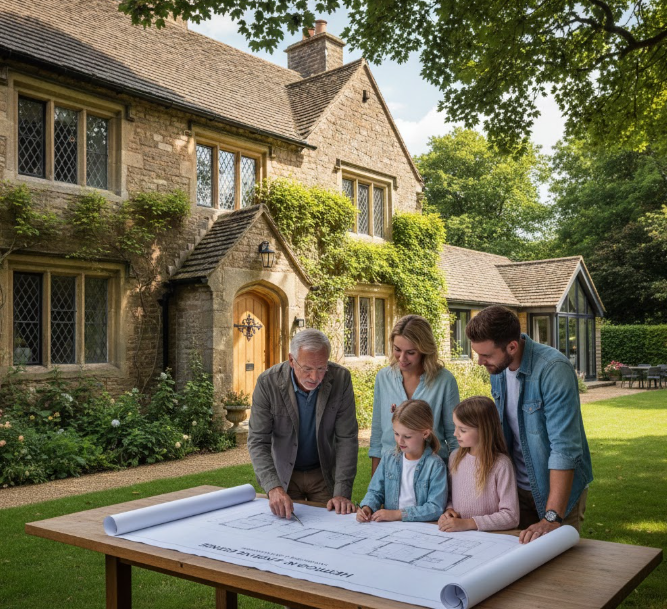
Heritage home planning preserves architectural wisdom passed down through generations. These designs often evolved to suit local weather conditions, social customs, and spiritual beliefs. By adopting heritage planning concepts, homeowners benefit from:
- Naturally ventilated and well-lit spaces
- Climate-responsive layouts
- Strong emotional and cultural connection to the home
- Long-lasting, sustainable construction methods
Cultural House Design: More Than Just Aesthetics
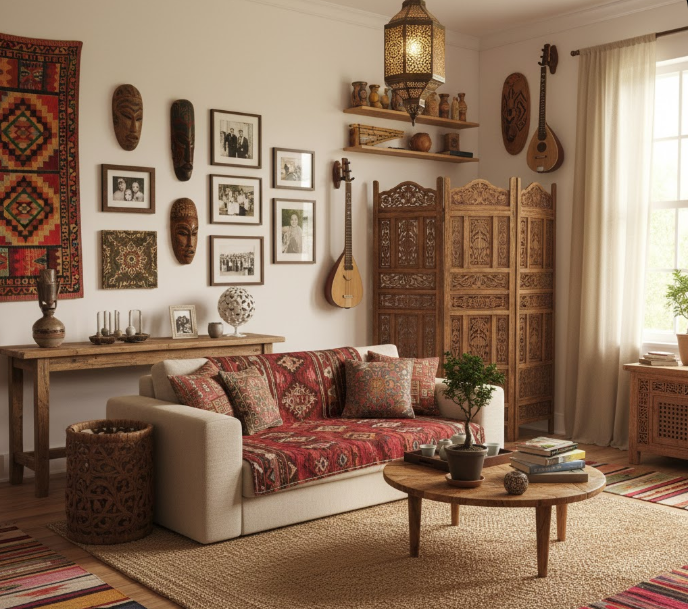
Cultural house design reflects the soul of a region. Whether inspired by South Indian courtyard homes, North Indian havelis, or vernacular village houses, these designs emphasize balance, proportion, and symbolism. Elements like carved pillars, traditional motifs, earthy colors, and handcrafted details enhance both beauty and meaning.
Traditional Layout Design: Thoughtful & Functional
A traditional layout is carefully organized around daily routines and family interactions. Common features include:
- Central courtyard (Aangan): Encourages light, airflow, and family bonding
- Verandas: Transitional spaces connecting indoors with outdoors
- Separate zones: Clear division between public, private, and service areas
- Pooja or sacred space: Integrated thoughtfully within the layout
These layouts are not only practical but also emotionally grounding.
Authentic Home Planning for Modern Lifestyles
Authentic home planning does not mean rejecting modern comfort. Instead, it balances tradition with present-day needs. Modern kitchens, bathrooms, and structural technologies can be seamlessly integrated without compromising cultural integrity. The result is a home that feels timeless yet functional.
Materials & Construction in Traditional Homes
Traditional homes often use locally available materials such as stone, wood, lime plaster, clay tiles, and brick. These materials are eco-friendly, durable, and age beautifully. Their thermal properties help maintain comfortable indoor temperatures throughout the year.
Why Choose Traditional Planning Today?
- Cultural continuity: Keeps traditions alive for future generations
- Sustainability: Environmentally responsible design principles
- Personal identity: Homes feel unique and deeply personal
- Timeless appeal: Traditional designs never go out of style
Blending Tradition with Contemporary Needs
Today’s traditional house planning allows flexibility. Larger windows, modern services, smart storage, and updated layouts can coexist with classic design principles. This fusion ensures the home remains relevant, comfortable, and adaptable over time.
Frequently Asked Questions (FAQs)
1. Is traditional house planning suitable for modern families?
Yes. Traditional planning can be customized to suit modern lifestyles while preserving cultural and functional values.
2. Can traditional homes be built on small plots?
Absolutely. With smart planning, traditional layouts can be adapted even for compact plots.
3. Are traditional houses more expensive to build?
Not necessarily. Using local materials and climate-friendly designs can reduce long-term costs.
4. Can modern materials be used in traditional designs?
Yes. Modern materials can be blended carefully with traditional elements for durability and comfort.
5. Do traditional homes require more maintenance?
With proper material selection and workmanship, maintenance is manageable and often comparable to modern homes.